Government & Defense

The missions that matter most do not run in a data center. They run at the tactical edge — in environments that are disconnected, contested, and bandwidth-denied, where connectivity is unreliable by circumstance or by adversary design, and often absent at the exact moments when intelligence matters most.
Cloud-dependent AI cannot serve what it cannot reach — and the most sensitive data should never make the trip at all. Our models run entirely on-device, air-gapped where the mission requires it: no cloud round-trip, no latency, no backhaul, no dependency on infrastructure an adversary can deny.
Why Edge AI for the Mission
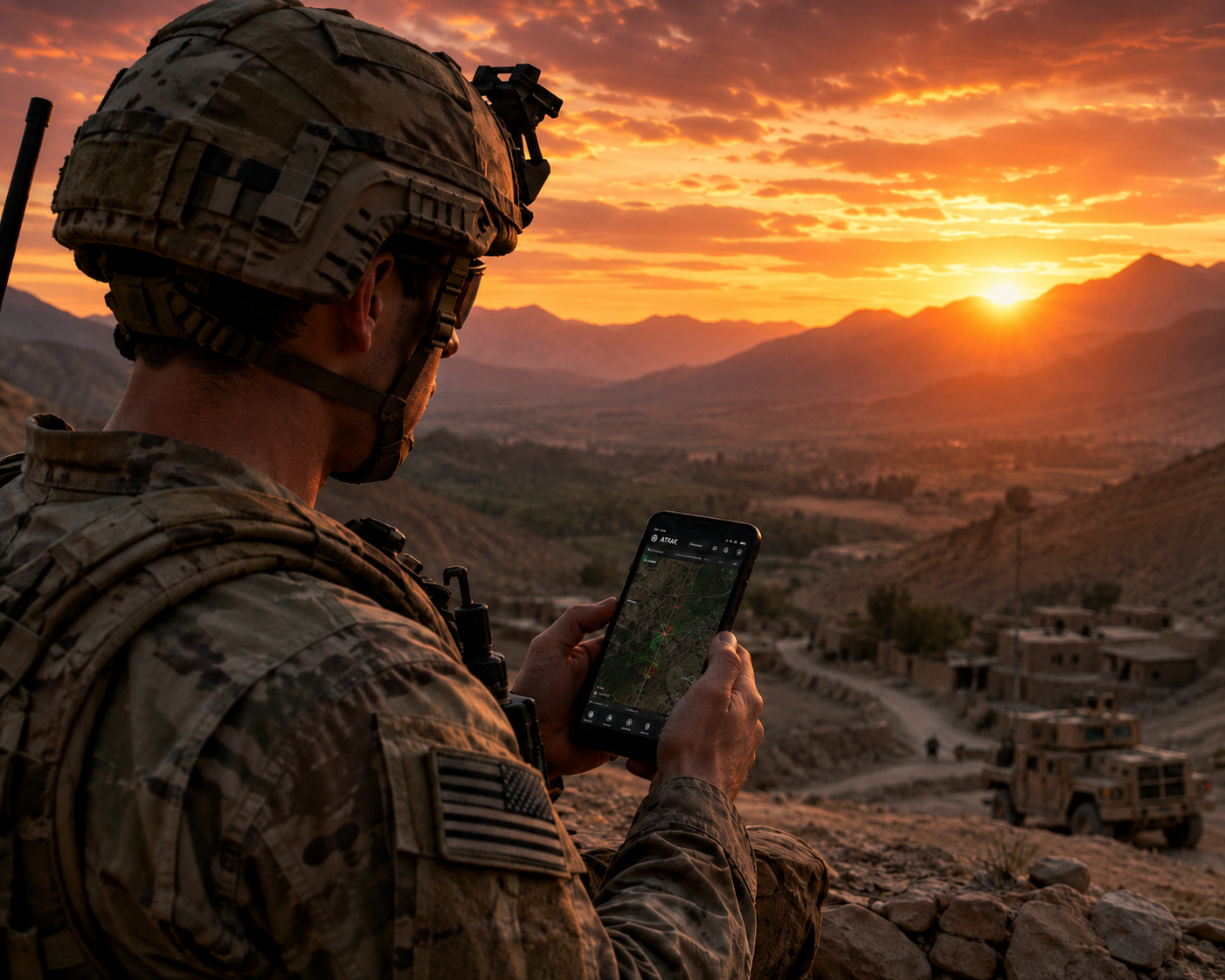
Models built for DDIL. Denied, Disrupted, Intermittent, and Limited environments are our design baseline, not an edge case. Our models run entirely on-device — no cloud dependency, no backhaul, nothing to intercept.
Commodity hardware, frontier performance. Small, domain-specific models — MOS-specific, mission-specific, and platform-specific — purpose-built for the hardware already in the field: laptops, handhelds, embedded systems. Capability that requires exotic hardware never reaches the edge at scale.
Evaluation-first engineering. Every model ships with rigorous test and evaluation against SME-vetted benchmarks. Calibrated confidence and honestly stated uncertainty are requirements — because in mission contexts, a wrong answer delivered confidently is the most dangerous output there is.
Secure by architecture. What never leaves the device can never be intercepted or exfiltrated. Air-gapped operation is not a configuration; it is the shape of the system.
What We Bring to the Mission
The Senses of the Edge
The tactical edge is getting its assistants — language agents that read doctrine and draft plans. What it does not yet have is senses. DEMOS AI LAB builds the sensing layer of edge AI: models that understand the signals the physical world produces — acoustic, electrical, radio-frequency, environmental — and turn them into warning, prediction, and action. The health of a platform, heard in its vibration. The state of infrastructure, read from its electrical signature. The integrity of the GNSS signals a mission navigates by — including detecting jamming and spoofing on the commodity, single-antenna devices already fielded at scale.
Every one of these senses runs where it is needed: on the device, at the edge, with no raw data shipped to a server. And networked together, they become more than the sum of their parts — many inexpensive observers, fused, forming a sensing fabric no single exquisite sensor could match. We build models that know what the world is doing, and what it is about to do.
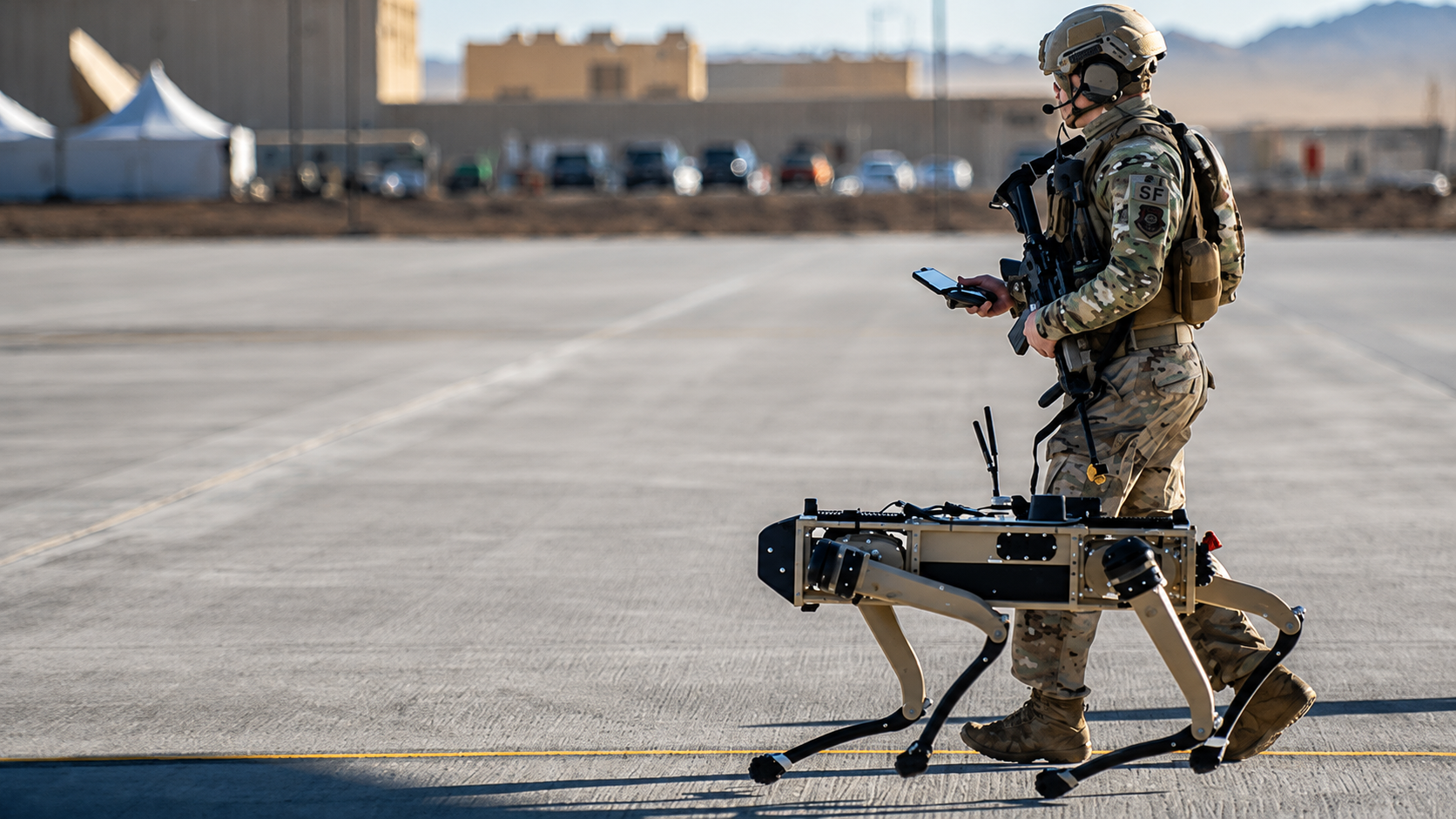
Research You Can Verify
Our government work is grounded in fundamental research — conducted alongside leading university laboratories, pursued through federal research programs, and built to be published, verified, and deployed. Our active research spans resilient navigation and signal integrity, uncertainty quantification, and efficient machine learning at the edge. We build in the open where the mission allows, because verifiable science makes trustworthy systems — and trustworthy systems are the only kind the mission should accept.