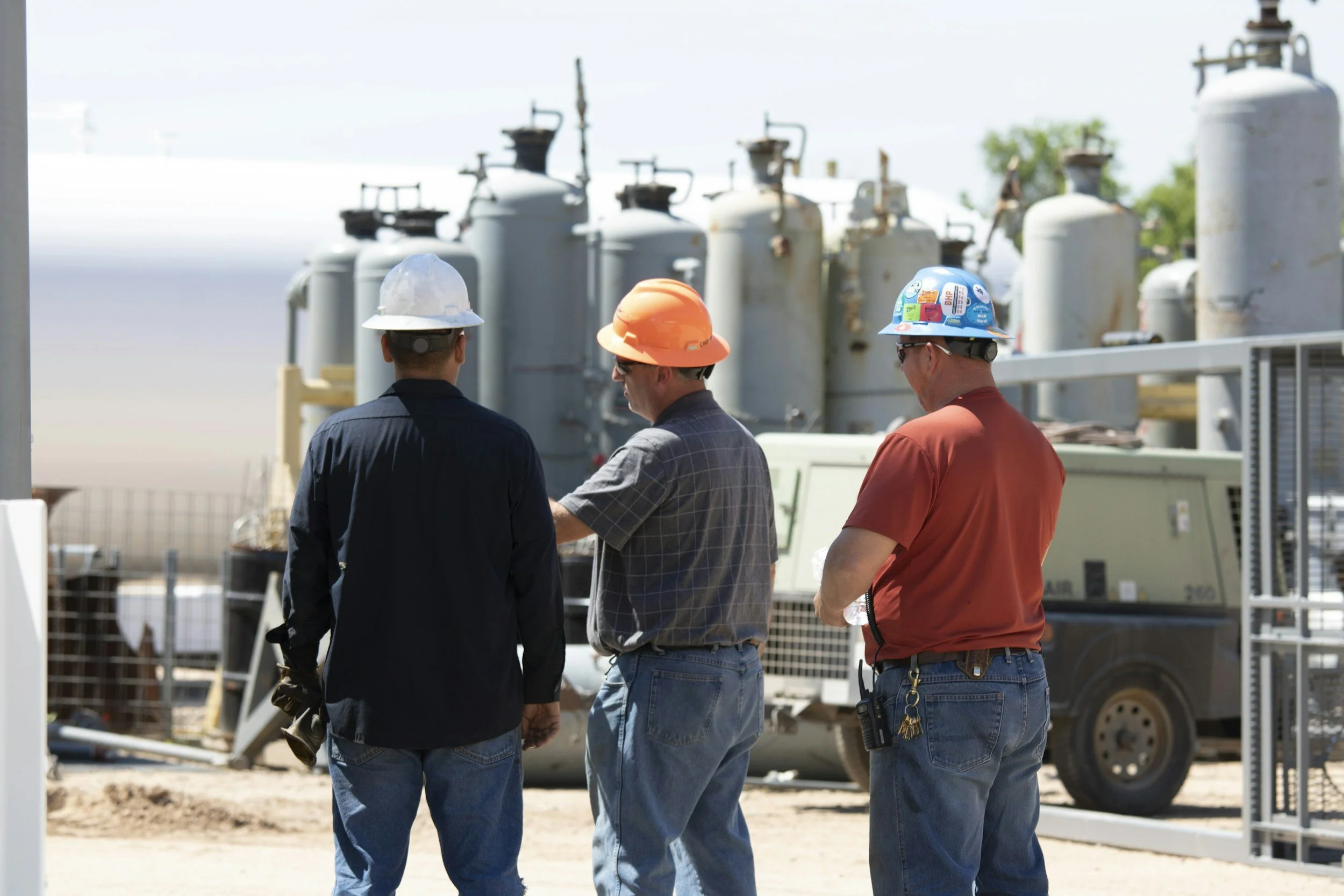
Commercial & Critical Infrastructure
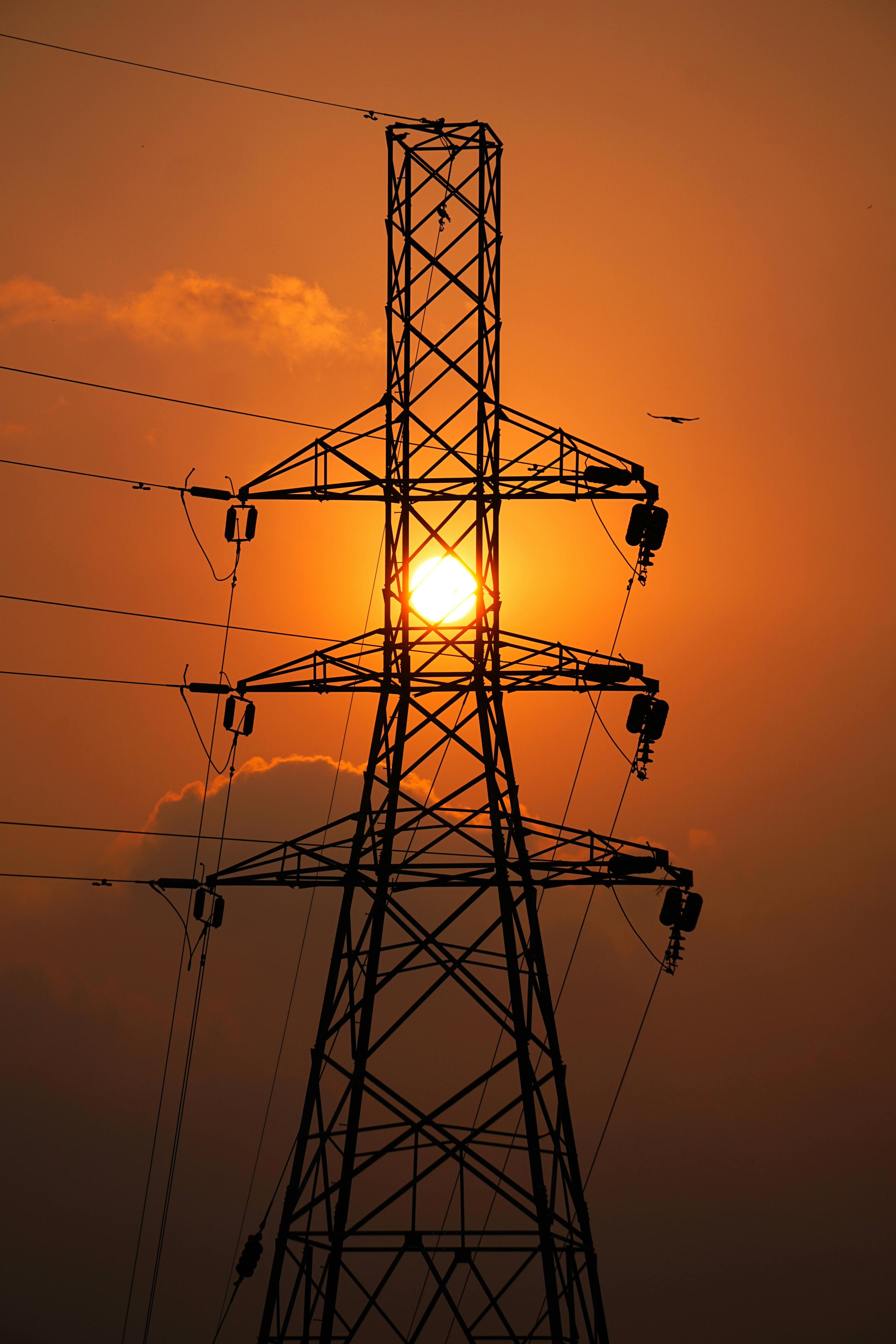
Commercial & Critical Infrastructure does not run in a data center. It runs in the field — on transmission towers, inside substations, along pipelines and rail lines and industrial floors, across networks that stretch thousands of miles through terrain where connectivity is unreliable, intermittent, and often nonexistent during the exact moments when failure occurs.
Cloud-dependent AI cannot protect what it cannot reach. When infrastructure fails, the connection often fails with it. Our models run entirely on-device — no cloud round-trip, no latency, no dependency on the very infrastructure they are protecting. Intelligence that stays standing when everything around it goes down.
Why Edge AI for Infrastructure?
Every system the modern world depends on fails the same way: quietly, then all at once. We are starting with the system all the others depend on — the electrical grid. Our first platform in development, Grid Sentinel, will fuse satellite imagery, weather intelligence, vegetation data, infrastructure sensors, and consumer edge devices into a single on-device prediction engine — telling grid operators what will fail, where, and when.
Our first models, trained on the U.S. Department of Energy's EAGLE-I dataset, have demonstrated 93.5% grid predictability before a single proprietary sensor is deployed. As deployments grow, every sensor expands a proprietary dataset that makes every model more accurate over time — a compounding data moat no competitor can replicate without replicating the network. What we prove on the grid extends to every infrastructure system that can be sensed.
Starting with the Grid
Signal & Sensor Intelligence
Infrastructure speaks in signals. Voltage sags, frequency drift, harmonic distortion, current irregularities — the electrical precursors of failure. Vibration signatures that shift as bearings wear. Acoustic patterns that change as equipment strains. Thermal drift, pressure anomalies, the slow deviations that precede the sudden break. We build models that read these signals natively — trained on the waveforms themselves, not adapted from AI built for words and pictures.
On-device, our models detect anomalies, classify faults, and generate predictive diagnostics in real time — engineered for real-world conditions where signals are noisy, labeled data is scarce, infrastructure is aging, and milliseconds separate prevention from cascade. Each detection arrives with calibrated confidence, so operators know not only what the model sees, but how certain it is.
Custom Datasets, Built from Reality
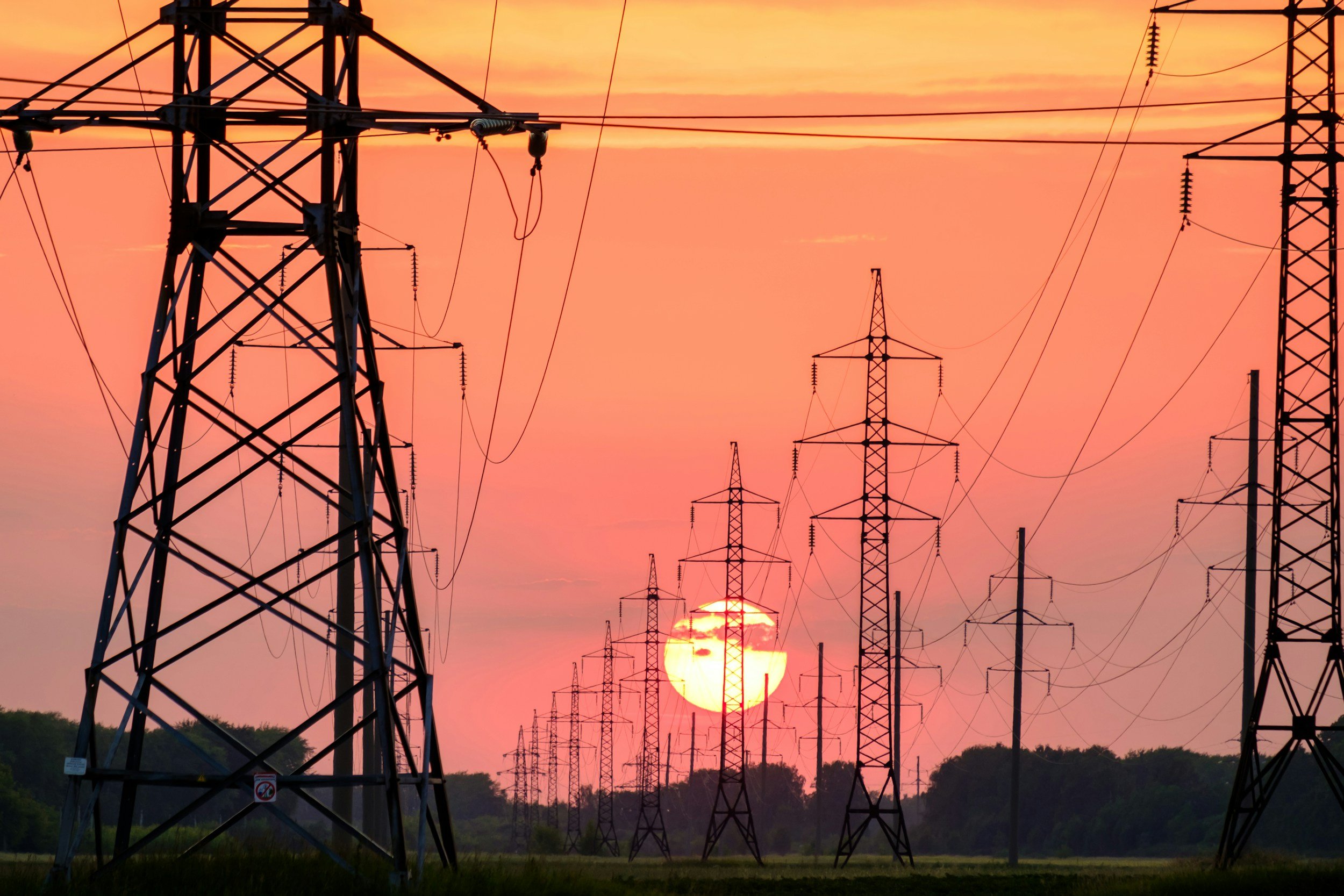
The models that protect infrastructure can only be trained on one thing: what actually happens to infrastructure. Fault records, outage logs, maintenance histories, sensor streams — the operational record that utilities and industrial operators generate every day is the scarcest asset in AI, and most of it is never used.
We build the datasets that do not exist yet. Working with field teams and domain experts, we curate custom, expert-labeled datasets of real fault events — captured from operating equipment, confirmed against real outcomes, built specifically for the models they will train. And partners who deploy with us contribute to what they benefit from: every confirmed fault sharpens the models, every deployment extends their reach, and the operators who join earliest shape the intelligence everyone else will one day depend on.
The DEMOS Difference
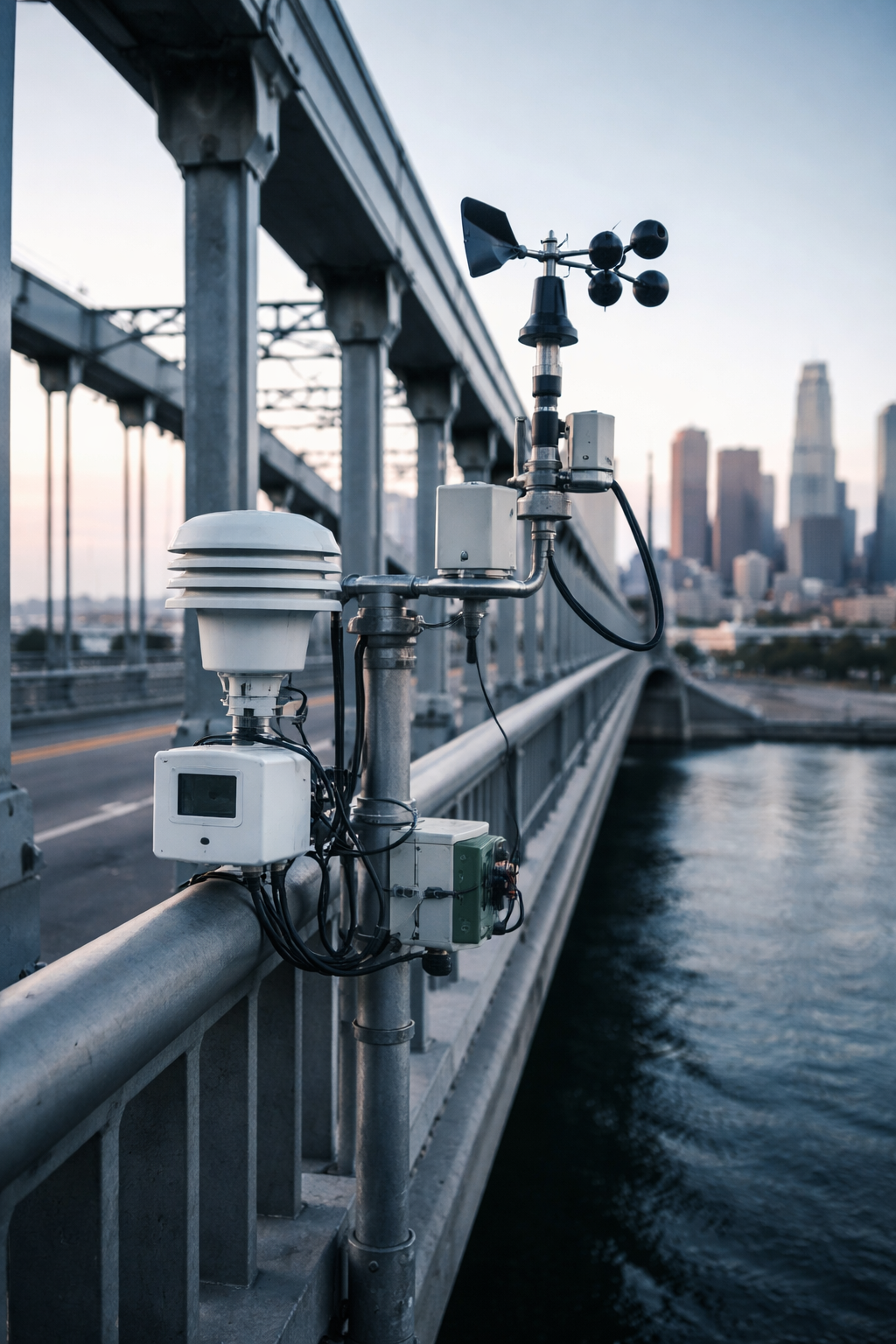
Prediction is only useful if it lives where the risk does. Our small, domain-specific models run on commodity edge hardware at the point of risk — substations, equipment, vehicles, remote sites — listening where the signals live and acting before the cascade, through the very connectivity failures that accompany infrastructure failures.
Our models are trained on expert-vetted data confirmed by real outcomes — actual faults, actual failures, actual fixes. Each ships with calibrated confidence, tested against SME-vetted benchmarks, because an operator deciding whether to roll a crew deserves to know not just what the model predicts, but how sure it is.
For the People Who Keep Things Running
Grid operators, plant engineers, fleet managers, field crews — the people responsible for the systems everyone else takes for granted. They work in the noise and the weather, on aging equipment and stretched budgets, where the tools rarely match the stakes. Our models are built for them: intelligence that works in their conditions, runs on hardware they already have, and speaks with honest confidence — never overstating what it knows, never guessing when it matters.
What that intelligence gives them is the one thing they have never had: time. Time to act before the outage, before the breakdown, before the cascade — to schedule the repair instead of scrambling through the emergency, to roll a crew at noon instead of midnight. If you operate infrastructure that cannot afford to fail, we should talk.